
Digital Marketing Funnel for Revenue Growth
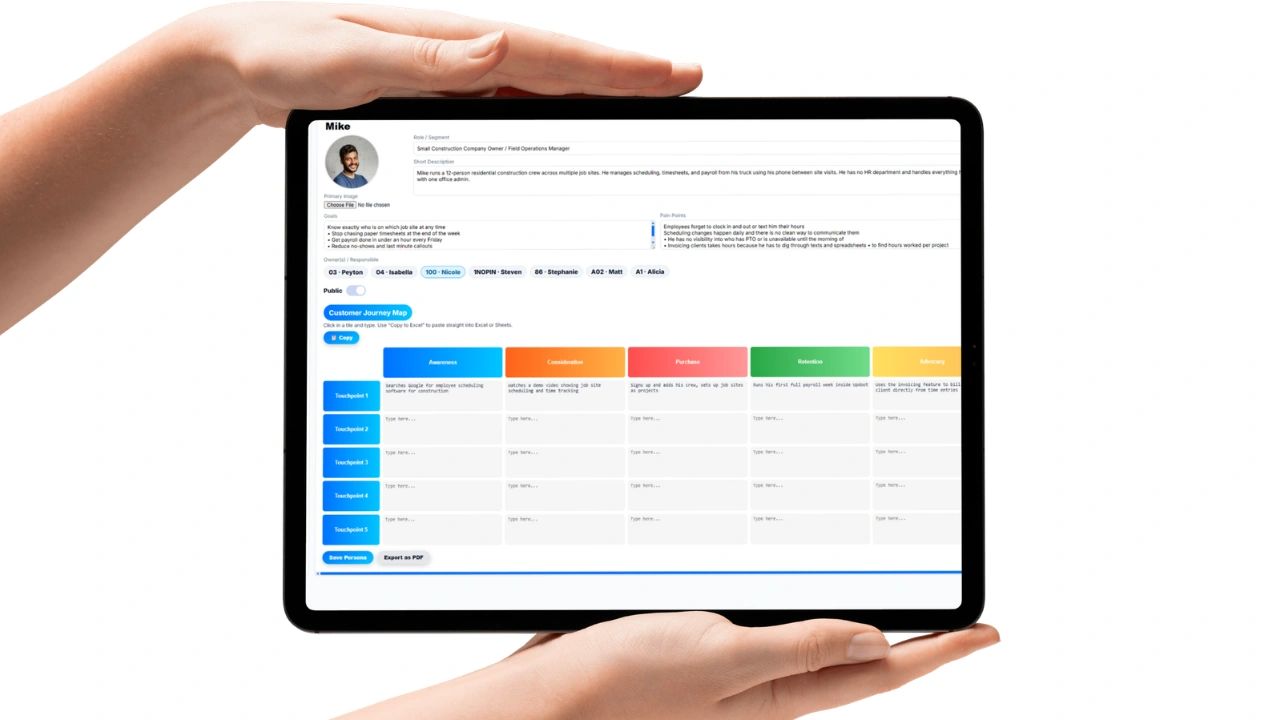
Follow these steps to develop a digital marketing funnel that gains customers. Most companies don’t have a marketing problem. They have a revenue conversion problem. They get traffic, post content, run ads, maybe even rank on Google… but revenue stays inconsistent. That happens when your digital marketing is not built as a revenue funnel.
A real funnel has one job: turn attention into buyers in a predictable system.
What is a Digital Marketing Funnel
A digital marketing funnel is the structured path a potential customer follows from first discovering your business to becoming a paying customer. It maps out how people move through different stages of awareness and decision-making starting with learning about a problem (top of funnel), then evaluating possible solutions (middle of funnel), and finally choosing to buy (bottom of funnel). The purpose of a digital marketing funnel is to guide this journey with the right content, messaging, and offers at each stage so that traffic doesn’t just visit your website, but gradually builds trust and converts into revenue.
1. The Revenue Funnel Structure
Every high-performing digital system has 3 layers:
Top of Funnel (Traffic)
You attract people who have a problem.
This is where SEO, content, and social media live.
Goal: bring in qualified attention, not random clicks.
Examples:
- “Why is my team not productive?”
- “How do I track employee performance?”
- “Why is my business not growing?”
This stage does not sell. It starts conversations.
Middle of Funnel (Trust + Qualification)
This is where most revenue is won or lost.
Now the user knows they have a problem and is evaluating solutions.
This is where you:
- Build authority
- Show systems
- Differentiate your approach
Examples:
- “Best employee tracking systems for small businesses”
- “How top operators run efficient teams”
- “Operations systems that scale companies past 10 employees”
Goal: get them to believe your method is the best path forward.
Bottom of Funnel (Conversion)
This is where revenue happens.
Now the buyer is ready. Your job is to remove friction.
Examples:
- Pricing pages
- Case studies
- Product demos
- Comparisons (“X vs Y”)
Goal: convert intent into action.
2. Why Most Funnels Fail (Revenue Leakage Points)
Most businesses don’t fail at marketing. They fail at transitions between stages.
Here’s where money leaks:
Leak #1: Traffic with no intent filtering
You attract visitors who were never potential buyers.
Leak #2: No middle-layer content
People don’t build trust before being asked to buy.
Leak #3: Weak conversion pages
Even warm leads don’t convert because the offer is unclear.
3. Build Content That Directly Maps to Revenue
Instead of “blogging for SEO,” build content like this:
Problem Content (TOFU)
Targets pain
Purpose: attract business owners feeling friction
Example:
- “Why your team feels busy but nothing gets done”
Solution Content (MOFU)
Targets evaluation
Purpose: position your system as the answer
Example:
- “How operators build systems that eliminate chaos in growing teams”
Decision Content (BOFU)
Targets buying intent
Purpose: close revenue
Example:
- “Operations system software for small business teams”
4. Turn Content Into a Revenue Path
This is where most companies stop too early.
Every piece of content should push the reader forward:
- Blog → Template
- Template → Email capture
- Email → Demo or product page
- Product page → Conversion
If a blog doesn’t lead somewhere, it is costing you revenue potential.
5. The Real Growth Engine: ICP Alignment
If you attract the wrong audience, your funnel cannot fix it.
You don’t need more traffic. You need better buyers in the funnel.
This is where clarity matters.
If your content attracts:
- researchers instead of buyers
- employees instead of decision makers
- low-budget users instead of operators
Your revenue will stay flat no matter how much SEO you do.
Use Updoot to Fix ICP Before Scaling Content
Updoot helps you tighten the most important part of the funnel: who you are actually targeting.
It helps you:
- Define your ideal customer profile clearly
- Identify real buying triggers
- Align content with decision-makers
- Remove low-intent traffic from your funnel
Because the truth is simple:
A weak ICP makes even great marketing ineffective. A strong ICP makes average marketing profitable.
6. What a Revenue-Driven Funnel Actually Looks Like
Here’s the simple model:
- SEO or content brings in traffic
- Problem awareness content builds attention
- Solution content builds trust
- Decision content closes buyers
- Offers convert them into revenue
- ICP alignment ensures they’re the right customers
That’s it.
No complexity. Just alignment.
Frequently Asked Questions
What is a digital marketing funnel? A digital marketing funnel is the structured path a potential customer follows from first discovering your business to becoming a paying customer. It maps how people move through awareness, evaluation, and decision-making so that traffic does not just visit your website but gradually builds trust and converts into revenue.
What are the three stages of a digital marketing funnel? The top of the funnel attracts people who have a problem through SEO, content, and social media. The middle of the funnel builds trust and authority with people who are evaluating solutions. The bottom of the funnel converts ready buyers into customers by removing friction through pricing pages, case studies, demos, and comparisons.
Why do most digital marketing funnels fail? Most funnels fail not at marketing but at the transitions between stages. The three most common leaks are attracting traffic with no buying intent, skipping middle-layer content so people never build trust before being asked to buy, and having weak conversion pages that fail to turn warm leads into customers.
What is ICP alignment and why does it matter? ICP stands for ideal customer profile. If your content attracts researchers instead of buyers, employees instead of decision makers, or low-budget users instead of operators, your revenue will stay flat regardless of how much traffic or SEO you generate. Better buyers in the funnel matter more than more traffic.
How should every piece of content connect to revenue? Every piece of content should push the reader forward through the funnel. A blog should lead to a template, the template should capture an email, the email should lead to a demo or product page, and the product page should convert. If content does not lead somewhere it is costing you revenue potential.
What is the difference between blogging for SEO and building revenue-driven content? Blogging for SEO focuses on ranking pages and getting impressions. Revenue-driven content maps directly to buyer intent at each funnel stage: problem content attracts people feeling friction, solution content positions your approach as the answer during evaluation, and decision content closes buyers who are ready to act.
Final Thought on Digital Marketing Funnels
A digital marketing funnel is not about ranking pages or getting impressions.
It is about building a predictable path from search to revenue.
If your funnel is working correctly:
- Traffic is filtered
- Trust is built in the middle
- Sales happen at the bottom
- ICP alignment ensures profitability
That is when marketing stops being a cost center and becomes a revenue system.
Related articles on Sales and Marketing
How to Manage Customer Relationships
How to Track Leads Effectively
RFQ Meaning: What It Is, When to Use It, Ready-to-Use Template