
Collaborative Work Management: The Backbone of Scalable Teams
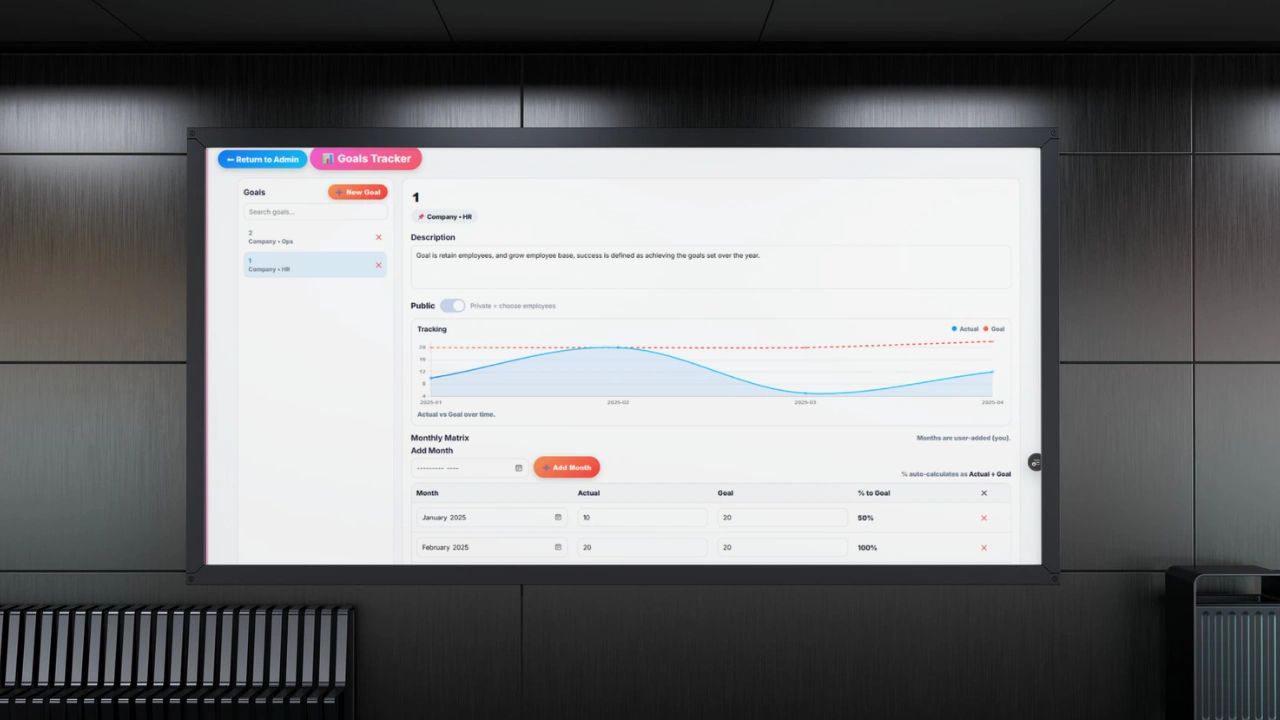
What Is Collaborative Work Management?
Collaborative work management (CWM) is the system, structure, and tools a team uses to plan, execute, track, and improve work together in real time.
It’s not just project management. It’s broader.
It connects:
- People
- Tasks
- Communication
- Data
- Outcomes
All in one place.
Instead of work being scattered across emails, spreadsheets, meetings, and Slack messages, collaborative work management brings everything into a single, shared system where everyone can see what’s happening.
At its core, CWM answers five critical questions at all times:
- What are we working on?
- Who owns it?
- What’s the priority?
- What’s the status?
- What’s the outcome?
If your team can’t answer those instantly, you don’t have collaborative work management — you have chaos.
Why Collaborative Work Management Matters More Than Ever
Work has changed.
Teams are:
- More distributed
- Moving faster
- Handling more complexity
- Expected to do more with less
And the old way of managing work, emails, status meetings, disconnected tools, doesn’t hold up.
Without a strong collaborative system, you start to see the same problems:
1. Work Falls Through the Cracks
Tasks get assigned in conversations, not systems. Then they disappear.
2. Constant Follow-Ups
Managers spend their time asking for updates instead of driving results.
3. Misaligned Priorities
Everyone is busy, but not necessarily working on what matters most.
4. Duplicate Work
Two people solve the same problem because there’s no visibility.
5. Slow Decision-Making
Information is buried, so decisions take longer than they should.
Collaborative work management fixes this by creating visibility, accountability, and alignment across the entire team.
The Core Components of Collaborative Work Management
If you strip it down, every effective system has the same building blocks.
1. Centralized Work Hub
Everything lives in one place.
Tasks, projects, conversations, files, deadlines — all connected.
No more jumping between tools or searching through inboxes.
A centralized hub gives your team a single source of truth.
2. Clear Ownership
Every task has an owner.
Not a group. Not “the team.” A person.
Ownership drives accountability. Without it, work stalls.
3. Real-Time Visibility
Anyone can see:
- What’s in progress
- What’s blocked
- What’s completed
This eliminates the need for constant check-ins and status meetings.
Visibility replaces micromanagement.
4. Structured Workflows
Work follows a defined process.
Instead of reinventing the wheel every time, teams use repeatable workflows that ensure consistency.
Examples:
- Sales pipeline stages
- Project delivery phases
- Content production steps
This is where efficiency compounds.
5. Integrated Communication
Conversations happen where the work happens.
Not in separate tools.
When communication is tied directly to tasks and projects:
- Context is preserved
- Decisions are documented
- Work moves faster
6. Performance Tracking
You can’t improve what you don’t measure.
Collaborative work management systems track:
- Progress
- Output
- Deadlines
- Bottlenecks
This allows leaders to make informed decisions instead of guessing.
The Benefits of Collaborative Work Management
When done right, the impact is immediate and noticeable.
1. Increased Productivity
Less time spent searching, asking, and clarifying.
More time spent executing.
2. Better Alignment
Everyone understands:
- Company goals
- Team priorities
- Their role in achieving them
This reduces wasted effort.
3. Faster Execution
With clear workflows and visibility, work moves forward without delays.
Decisions happen faster because the information is already there.
4. Improved Accountability
Ownership is visible.
Deadlines are clear.
Progress is trackable.
There’s no hiding — and no confusion.
5. Reduced Stress
When people know what’s expected and where things stand, uncertainty disappears.
That alone improves team morale.
Common Mistakes Teams Make
This is where most companies go wrong.
Mistake 1: Too Many Tools
Using separate tools for:
- Tasks
- Communication
- Files
- Reporting
Creates fragmentation.
The more tools you add, the more disconnected your team becomes.
Mistake 2: Lack of Standardization
If every team manages work differently, collaboration breaks down.
You need consistent processes across the organization.
Mistake 3: No Clear Priorities
If everything is important, nothing is.
Collaborative work management requires prioritization at every level.
Mistake 4: Overcomplicating the System
Some teams build systems that are too complex to use.
If it’s not simple, people won’t adopt it.
Adoption matters more than perfection.
Mistake 5: Treating It Like Software Only
This is a big one.
Collaborative work management is not just a tool it’s an operating system.
If you don’t change how your team works, no software will fix it.
How to Implement Collaborative Work Management
If you’re serious about improving how your team operates, here’s the right way to approach it.
Step 1: Define Your Work Structure
Start by mapping out:
- Core processes
- Key workflows
- Team responsibilities
This becomes the foundation of your system.
Step 2: Establish Clear Ownership
Every task, project, and outcome needs a defined owner.
No exceptions.
Step 3: Create Visibility
Make work visible across the organization.
Dashboards, boards, timelines — whatever format works best.
The key is transparency.
Step 4: Standardize Workflows
Document how work gets done.
Turn repeatable processes into templates.
This ensures consistency and saves time.
Step 5: Centralize Communication
Move conversations into the system.
Stop relying on scattered messages and emails.
Step 6: Track and Improve
Use data to:
- Identify bottlenecks
- Measure performance
- Improve processes over time
This is where real growth happens.
Real-World Example
Imagine a marketing team launching a campaign.
Without collaborative work management:
- Tasks are assigned in meetings
- Updates happen over email
- Files are scattered
- Deadlines are missed
Now compare that to a team using CWM:
- The campaign is mapped out as a project
- Each task has an owner and deadline
- Progress is visible in real time
- Communication happens within the project
- Leadership can see status instantly
The difference isn’t small, it’s operational.
The Future of Work Is Collaborative
As businesses grow, complexity increases.
More people More projects More moving parts
Without a system to manage that complexity, things break.
Collaborative work management isn’t optional anymore, it’s required.
Companies that invest in it:
- Scale faster
- Execute better
- Stay aligned
Companies that don’t:
- Stay stuck
- Burn out teams
- Lose opportunities
Where Tools Fit In
Tools enable collaborative work management — but they don’t define it.
Platforms like:
- Asana
- Monday.com
- ClickUp
Help teams organize and track work.
But the real value comes from how you use them.
If your processes are broken, adding a tool just makes the chaos digital.
A Smarter Way to Manage Work
The most effective approach is an all-in-one system that connects:
- Work management
- Time tracking
- Communication
- Reporting
- Customer data
This is where platforms like Updoot stand out.
Instead of stitching together multiple tools, everything lives in one system:
- Employees track time
- Work ties directly to projects
- Projects connect to billing
- Leaders see real-time performance
It removes friction and gives you full visibility from execution to revenue.
Final Thoughts
Collaborative work management is about clarity.
Clarity of:
- Work
- Ownership
- Priorities
- Progress
When you have that, everything improves.
Your team moves faster. Your decisions get better. Your business scales more efficiently.
If you feel like your team is busy but not making progress, don’t add more effort.
Fix how the work is managed.
That’s the lever that changes everything.
Opens in Google Drive — view and download for free